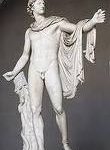
We know that reason provides insufficient power for moral motivation. We also know that we need to consider the role of myths in supplementing reason in this task. How do myths motivate and effect personal change? By what means are they able to touch our lives? What process enables them to lift us with a sense of enchantment and greater meaning?

How Do Myths Persuade Us?
- by the use of a rich symbolism in one form or another. It can take the form of a variety of rhetorical devices, including metaphor, simile, allegory and irony. It can operate in any genre such as poetry, dance, sculpture, stories and mime.
- symbolism in myth is allegorical rather than denotative; it promotes meaning rather than labelling. It produces a form of knowledge that is best described as wisdom rather than science.
- by enthralling us we surrender and lose ourselves in identification with characters who are larger than life. Myths enable us to accept our need for emotional sustenance in our endeavour to act morally.
- myths gain an authority that is derived from the credibility of their claim to represent a psychological truth. The persuasiveness of a myth is related to the success of its claim to be genuinely authentic.
- persuasiveness is a feature of myths because they invite us to perceive and understand a new moral world.
- they embed their universal themes in images that are local and particular.
You may be interested in:
