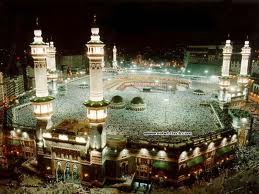
Are all religions equal in a theological or metaphysical sense? This is a question that I am not qualified to answer, though it is a valid question. However we can question all religions about their ability to accommodate the separation of church and state. Not all of them have been successful in accepting that religion should not interfere in affairs of state.
See the article Are All Religions Equal? where I raise the following issues:
- there is no necessary reason to subscribe to the position that all cultures are ‘equal’. Respect for other cultures does not have to imply that we see all cultures as equally valid and valuable
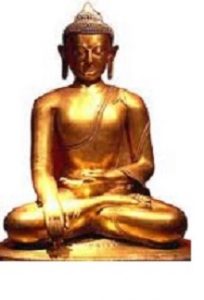
- the separation of church and state, and the privatisation of faith is problematic for many Muslims. This is usually not the case for Christians and Buddhists.

Christianity’s ability to come to terms with a secular world reflects another achievement. That is the ability to relativise one’s own position and see oneself through the eyes of others. This is not equally achieved by all religions nor all denominations within a religion. Buddhism’s emphasis on the Dharma places the emphasis on each individual to lead an ethical and spiritual life. This enables most Buddhists find a good compromise when participating in a liberal democracy.
A more confident secularism can be less fearful of spiritual engulfment in its relationship with religion. By adopting an attitude of curiosity it needs to be open to religion’s ability to provide meaning. This is vital because meaning is the only answer to existential suffering.